

Cricket fans know the feeling of a low-scoring thriller turning into a last-over classic. Delta Force: Hawk Ops is giving PC gamers that same jolt, and in 2026 its esports scene has gone from a curiosity to a genuine talking point across gaming forums that cricket crowds are increasingly drifting into.
Whether you’re chasing IPL scores between overs or scrolling for the next big competitive game to watch, the buzz around Delta Force’s tournament circuit is hard to miss right now. It has real prize money, real organizations, and a real roadmap behind it.
This piece breaks down what the game is, who’s competing, how ranked mode works, and why the competitive scene is expanding so fast in 2026.
What Delta Force: Hawk Ops Actually Is
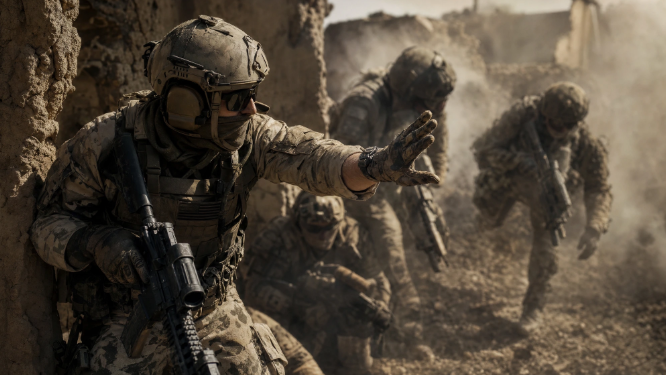
Delta Force: Hawk Ops blends an extraction shooter loop with large-scale military combat, splitting its identity between tight extraction runs and sprawling, large-scale PvP warfare. Built on Unreal Engine 5 by TiMi Studio Group, it’s a free-to-play shooter with a nostalgic nod to the Black Hawk Down campaign that longtime fans of the franchise remember well.
Cricket audiences crossing over into gaming aren’t random. Both worlds reward split-second decisions, squad coordination, and reading the opposition, which is exactly why Delta Force’s tactical shooter DNA is resonating with viewers who already understand pressure situations.
Is There an Official Delta Force Esports Circuit in 2026
Yes, and it’s bigger than most casual viewers realize. The 2026 ecosystem involves TiMi Studio Group, Team Jade, StarLadder, and regional publisher Garena running events rather than leaving things to community organizers alone.
The Delta Force Invitational: Warfare 2026 ran in China from June 17 to 21, carrying a ¥3 million prize pool (roughly US443,157),split1.2million,700,000,and400,000yuanacrossthetopthree.MeanwhiletheAmericasOperationslegoftheGlobalLeagueranonlineinMaywithaUS10,000 prize pool.
The bigger story is the RISE Series, launched July 10, 2026, as a structured international tournament circuit spanning the Americas and EMEA. Reports peg its annual regional prize pool near US1million,splitacrosstwoseasons,withSeason2runningSeptember19throughOctober18atroughlyUS200,000 per region.
Timi Studio’s roadmap doesn’t stop at China. Garena’s Vietnam-based Delta Force Ultimate Tournament offered VNĐ300 million this spring, with qualifying slots feeding into international competition, a clear sign the pipeline now stretches well beyond its home turf.
Teams, Pros, and Streamers Driving the Competitive Scene
Team Jade sits at the center of it all, tied to league organization, the RISE Series, and the broader partner-team program alongside TiMi and StarLadder. It’s the name showing up across nearly every major bracket in 2026.
Sixteen esports organizations were confirmed as RISE partner teams, and the list reads like a who’s who of established rosters: Fnatic, Team Liquid, FaZe Clan, Evil Geniuses, Gen.G, Spacestation Gaming, and more.
- Alliance, Aurora Gaming, Evil Geniuses, FaZe Clan
- FLC Clan, Fluxo W7M, Fnatic, Gen.G
- Team Gotaga, Leviatán, Team Nadeshot, NTMR
- Spacestation Gaming, SPF, Team Liquid, WLGaming Esports
Pro players from these rosters are becoming the faces of the game’s push into mainstream esports, and streamers covering scrims have seen viewership climb fast alongside them.
Ranked Mode Explained: MMR, Tiers, and Qualification Paths
Delta Force’s competitive ranking system uses skill-based matchmaking to sort players into tiers, mirroring the climb structure familiar from other tactical shooters. Ranked mode rewards consistent map control and disciplined squad roles over lone-wolf plays.
Climbing isn’t just for bragging rights. Strong ranked performance increasingly feeds into open qualifiers for regional tournaments, the same pipeline Garena Vietnam used to hand its top finishers international places.
Players serious about the grind are also tuning their setups around loadouts, operators, and network stability. Tools like ExitLag get mentioned often in ranked circles for smoothing out ping during high-stakes matches, and managing the in-game economy efficiently between extraction runs matters just as much as raw aim.
Speaking of aim, competitive players chasing consistency on maps like Zero Dam often look at every possible edge, and some of that conversation inevitably drifts toward third-party tools. For players exploring that route, options like Delta Force Hawk Ops aimbot and ESP hacks show up in broader discussions about performance tools, though ranked integrity and anti-cheat enforcement remain a serious concern for organizers running LAN events and qualifiers.
For cricket fans new to this scene, think of ranked mode as the domestic circuit and the RISE Series or Invitational brackets as the international stage, same climb, bigger stakes, sharper competition.
How Delta Force’s Esports Format Stacks Up Against CS2, Valorant, and Siege
Cricket fans who’ve followed the jump from domestic T20 leagues to franchise cricket will get this comparison fast. Delta Force Hawk Ops borrows the round-based precision of a tactical shooter, then bolts on the chaos of large-scale PvP most tactical titles never touch.
CS2 and Valorant reward tight five-on-five duels and economy management. Siege leans on destructible environments and operator counter-picks. Delta Force Hawk Ops does something different: it splits its identity across two modes, Havoc Warfare and Hazard Operations, each demanding a distinct competitive skillset.
Two Modes, Two Skill Sets
Havoc Warfare plays closer to conventional team deathmatch at scale, vehicles, large maps, objective pushes. It’s the mode behind the China-based Warfare Invitational. Hazard Operations, meanwhile, is pure extraction shooter tension, closer to Tarkov than to CS2’s round resets.
That split is exactly why the RISE Series structured itself around Operations content rather than only conventional deathmatch. Extraction esports demands patience, risk assessment, and squad discipline that a straight tactical shooter format rarely tests. It’s a format cricket fans might compare to Test cricket sitting alongside T20, same sport, wildly different tempo and mental approach.
Watching the Action: Spectator Tools, Streaming, and Casters
Spectating a Havoc Warfare final feels closer to watching an ODI chase than a T20 slog. There’s map-wide context, multiple squads, and shifting momentum that broadcast tools now capture in real time.
In-game broadcast features let production teams cut between operators mid-fight, track squad positioning, and overlay live economy stats. Casters calling RISE Series matches lean on these tools heavily, especially during Hazard Operations broadcasts where tension builds slowly before extraction windows snap shut.
Viewership around Delta Force Hawk Ops events has climbed steadily through 2026, tracking the RISE Series rollout and the Warfare Invitational’s prize pool headlines. Streaming around scrims and qualifiers has become its own draw, with creators building audiences well before official brackets start.
Regional Scenes: China’s Home Turf vs Western and South Asian Adoption
TiMi Studio Group built Delta Force Hawk Ops on home soil, and China remains the game’s strongest competitive base. The Warfare Invitational’s ¥3 million prize pool and domestic infrastructure reflect that home-turf advantage clearly.
Western adoption has moved faster than most publishers manage on a first attempt. The RISE Series spanning Americas and EMEA, backed by Team Jade and StarLadder, gave Western organizations like Fnatic and Team Liquid a real foothold early.
South Asian and Southeast Asian growth is running through Garena’s regional tournaments, with Vietnam’s national competitions offering international qualification slots. That pipeline matters for cricket-following markets watching esports infrastructure mature the way T20 leagues once did regionally. The game’s free-to-play shooter model, built on Unreal Engine 5 and expanding toward console launch and cross-platform play, keeps the entry barrier low across every region chasing a competitive scene.
Gearing Up Competitively: Loadouts, Operators, and Squad Roles
Winning brackets isn’t just about aim. Squad roles built around map control decide most Havoc Warfare engagements before the first shot lands.
Competitive rosters typically split operators into entry, support, and anchor roles, mirroring the fielding-position logic cricket fans already understand instinctively. Loadouts get tuned per map and per mode, with Hazard Operations squads favoring stealth-oriented kits over the heavier loadouts common in Havoc Warfare pushes.
Balancing loadouts for ranked play means committing to a role rather than chasing kills alone. That discipline separates climbing squads from ones stuck grinding the same tier every season.
Fair Play, Anti-Cheat, and Why It Matters for the Esports Scene
No competitive scene survives without trust, and Delta Force Hawk Ops leans hard on anti-cheat to protect its ranked mode and growing tournament ecosystem. TiMi Studio Group’s enforcement tightened through 2026 as RISE Series stakes climbed alongside prize pool figures.
Ranked ladders and LAN events both depend on clean data. Skewed matchmaking or exploited operators would undercut everything Team Jade and its partner organizations have built. For squads grinding toward qualifiers, integrity isn’t optional, it’s the foundation the entire competitive scene stands on.