

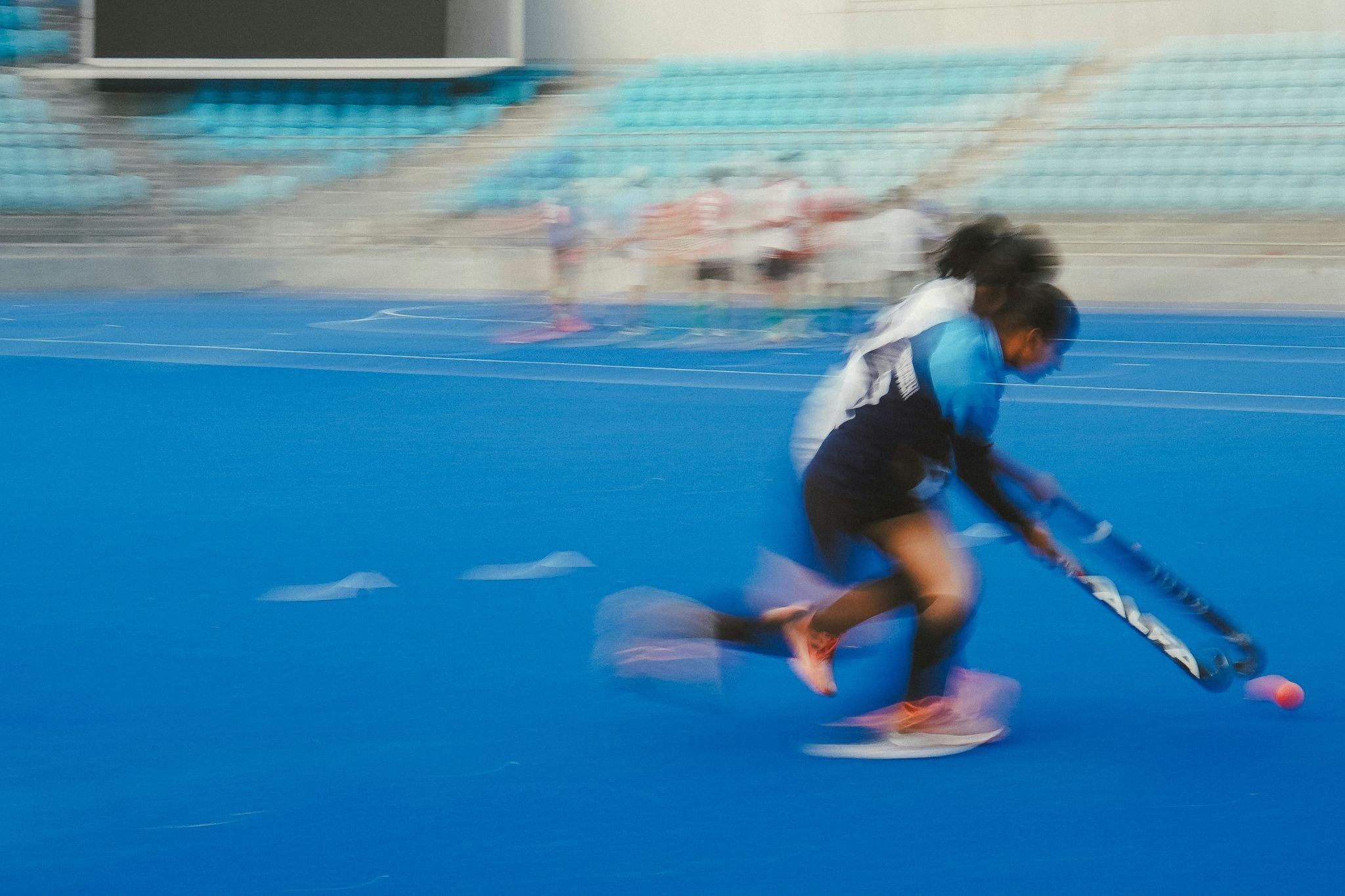
Forty-four years separated India’s two Asian Games women’s hockey golds, and the second arrived on 2 October 2026 in Kakamigahara, Japan, when Salima Tete’s side beat defending champions China 1-0 in the final. The win reclaimed a title India had held only once before, in 1982, and it carried a direct ticket to the Los Angeles 2028 Olympics. This is the story of how the eighth-ranked team in the world turned a run of form into a continental crown and a confirmed Olympic place.
Gold after 44 years
The final at the Kawasaki Juko Stadium turned on a single early strike. Lalremsiami, celebrating her 200th international appearance, scored the winning goal in the 10th minute after Salima Tete initiated the attack and Sakshi Rana set her up inside the circle, where she produced a reverse-stick strike from a difficult angle that flew into the Chinese goal. That one goal was the margin that separated 44 years of waiting from a title reclaimed.
China pushed back hard for the rest of the contest. China enjoyed more possession and circle entries, registering eight penetrations compared to India’s four and controlling 55 percent of the ball. The decisive defensive moment came from the goalkeeper: a brilliantly saved penalty stroke by Savita ensured that India won 1-0 and clinched its second Asian Games gold in women’s hockey and first since 1982.
Hockey’s rising profile in India since the gold has reached every platform fans use to follow the sport, from live scores to catalogues of betting apps on OneFootball India, a measure of how far interest in the women’s game now travels. That reach is what turns a single result into a lasting bump in attention, and the figures from the tournament itself help explain the surge.
The road through the pool and semi-final
India arrived at the final unbeaten and with a goal difference that read like a typo. In Pool B, India played five, won five, scored 66 and conceded three, for a plus-63 difference and 15 points. The scale of those scorelines is what marked India out as the dominant attacking side of the group, well before the knockout rounds began.
Pool B and knockout results
The run included the highest-scoring result of either hockey tournament at the Games. India began with a 19-0 win over Uzbekistan on 20 September 2026, followed with a 17-1 victory against Indonesia on 21 September 2026, then beat Thailand 20-1 on 23 September 2026, before a 3-1 win against Japan on 25 September 2026 and a 7-0 victory over Singapore on 27 September 2026 to top Pool B. In the last four, the team defeated South Korea 2-0 in the semifinal on 30 September 2026.
| Stage | Opponent | Result | Date |
| Pool B | Uzbekistan | 19-0 | 20 September 2026 |
| Pool B | Indonesia | 17-1 | 21 September 2026 |
| Pool B | Thailand | 20-1 | 23 September 2026 |
| Pool B | Japan | 3-1 | 25 September 2026 |
| Pool B | Singapore | 7-0 | 27 September 2026 |
| Semi-final | South Korea | 2-0 | 30 September 2026 |
Top scorer
One forward carried much of the scoring load. Deepika Sehrawat had 20 goals to her name at Aichi-Nagoya from just three matches, and she finished as the tournament’s top scorer with 21 goals, followed by teammate Navneet Kaur. That tally is what underpinned India’s 66 goals in the group stage.
From World Cup fifth place to Asian champions
The Asian Games title did not come from nowhere. Weeks before Japan, India posted its best World Cup result in half a century. India’s women finished fifth at the 2026 FIH Women’s Hockey World Cup, ending the campaign with a 3-1 win over Germany in the fifth-place match in Amstelveen, their best World Cup result since 1974. The run was defined by resilience: India finished with two wins, three draws and one defeat from six matches, their only loss coming against defending champions and hosts the Netherlands.
That consistency is what carried the team into the Asian Games as a genuine contender rather than an outside hope. The gold then triggered a wave of national recognition, captured in coverage of PM Modi hailing India’s Asian Games heroes as celebrations spread across the country.
The result also sat inside a broader national haul. The win contributed to India’s overall medal tally of 76 at the Aichi-Nagoya Asian Games, which included 16 golds, 25 silver, and 35 bronze medals.
How the LA 2028 berth was earned
The prize extended well beyond the podium. Under the sport’s qualification pathway, the Asian Games champion earns the continental place for the Olympics, which is why one final settled India’s entire 2028 qualifying question in a single afternoon.
For a side that missed Paris 2024 after finishing fourth at Tokyo 2020, avoiding the qualifier gauntlet mattered. India’s victory in Japan secured a direct Olympic berth rather than a route through further qualifiers, as confirmed in The Hindu’s match report on the gold medal. Navneet Kaur expressed relief at the team’s direct qualification for the Los Angeles 2028 Olympics, highlighting the challenges of playing qualifier tournaments.
Building towards the Olympics
The runway now stretches across roughly two full seasons of fixtures, with the Pro League, Asia Cup cycles and Champions Trophy editions sitting between the gold and the Games. The clearest area to work on is already known: at the 2026 World Cup, India managed 11 goals across six matches, and their inability to turn more possession and opportunities into goals ultimately cost them a place in the semi-finals.
With the berth banked, the coaching staff can treat the next two years as preparation rather than survival, blooding younger players and sharpening the finishing that let leads slip in Amstelveen. The Los Angeles Olympics open on 14 July 2028.
[…] India’s women’s hockey team and Asian Games to LA 2028 […]