

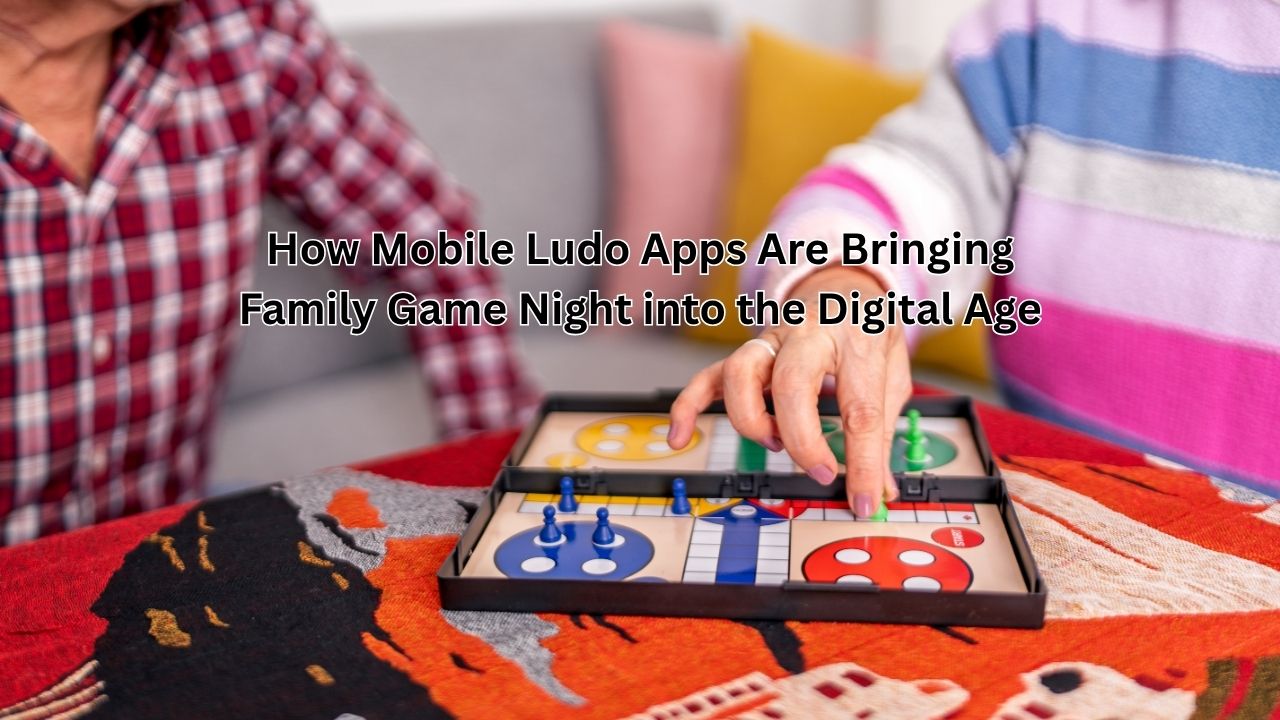
Ask anyone above thirty about ludo, and they will probably mention a folded board with a torn corner, four tokens that never matched properly, and a dice that had gone missing for a month before someone found it under a cupboard. That was the game for most Indian households growing up, usually pulled out on a lazy Sunday afternoon when there was nothing better to do. Something has changed since then, though not the game itself. The board simply moved. It now sits inside a phone, and family game night looks a little different than it once did, squeezed into smaller, odder pockets of the day rather than a full weekend afternoon set aside for it.
Why the Board Moved to the Screen
Setting up a physical ludo game used to take some doing. A flat surface, enough chairs, everyone actually free at the same moment, and a board that had not been chewed at the corners by whichever pet was in the house that year. That last part, everyone being free together, is the tricky one now. Office hours run long, kids have their own school schedules, and by the time the house is quiet, most people would rather sit than pull out a board and count pieces to check none had gone missing since the last round.
A phone skips all of that. Nothing to unfold, nothing to lose track of, no missing token turning up months later behind the sofa. A match can begin the second two people are both free, even if that turns out to be fifteen minutes between chores or right after dinner. This is probably why the app version took off the way it did. It does not need a planned evening. It just needs a gap, and most days have at least one.
What the App Version Actually Changed
The rules underneath have not moved an inch. Tokens still go around the board on the strength of a dice roll, and getting one home safely still comes down to timing more than anything dramatic happening on screen. What the apps changed sits around the edges of the game, in the small structural choices that decide how a round actually feels to play.
Turn timers stop one slow player from stretching a round out past its welcome, which used to happen constantly on the physical board when someone got distracted mid-turn. There are usually a few table formats to pick from too, so a longer, unhurried game is possible alongside a quicker one for days when nobody has much time. That shorter option is where Speed Ludo comes in. It strips the waiting down and keeps turns moving fast, which works well for someone squeezing in a round during a break rather than settling in for a full evening.
Some apps also let players react or chat mid-match, a small addition that a physical board never really offered unless everyone was already sitting close enough to talk anyway.
Staying in Touch Across Cities
Something the mobile version made possible that the old board never could: playing together without being anywhere near each other. Someone in Pune and a cousin in Lucknow can now sit down for a round without either one going anywhere or coordinating a visit weeks in advance. It has become more like a phone call than a game session, one that happens to involve dice and coloured tokens along the way.
Families spread across different cities for work or college have quietly picked this up as a small, regular way of staying in touch without it turning into an obligation. It is not a substitute for actually meeting. But it fills the space between visits with something that feels less flat than a text message and less effortful than a video call neither person really wanted to be on.
A Small Weekly Habit in Some Homes
A handful of families have started blocking out one evening a week for a ludo session on the app, the same way an earlier generation kept Sunday afternoons free for a board game round. It is a smaller, looser version of that old habit, spread across fifteen or twenty minutes instead of an entire afternoon, but the idea behind it has not really changed. A shared activity that does not need anyone to step out of the house or clear their calendar.
Part of why this sticks is that the game asks nothing new of anyone picking it up again after years away. There is no fresh set of rules to learn, no awkward first attempt where someone has to explain how the pieces move. That familiarity is probably underrated in why the game moved from board to screen so smoothly.
Where Platforms Like These Fit
Several mobile gaming apps now build their own versions of Ludo, each with its own table sizes and small variations in how a match is set up. Zupee is one platform that has built much of its app around this game, offering a mix of table types along with ludo for players who want shorter, faster rounds instead of a longer sitting. These platforms generally focus on the actual play, tying outcomes to a player’s decisions and skill during a match rather than leaving things to chance. Most of these apps are available for Android through the Play Store, giving people who already know the board game an easy way into a quicker, more flexible version.
Conclusion
Strip away the timers, the table options, and the app interface, and Speed Ludo is still the same game from that folded board with the missing dice and the mismatched tokens. The roll still decides things, and a token still needs the right move at the right moment to get home safely. What moved was where the game happens, not what the game is underneath it all. For families trying to hold onto something shared despite packed schedules or distance between cities, a quick round on the phone has quietly become a stand-in for the board game evenings many of them still remember, just fitted into a much busier week.