


Five days of red ball cricket and a three hour T20 evening ask completely different questions of a player. One rewards patience, footwork rebuilt over sessions, and the discipline to leave a ball on off stump for the twentieth time in an hour. The other rewards range hitting, matchup reading, and the nerve to reverse sweep the second ball you face.
Indian selectors, county coaches and franchise scouts have spent the last decade arguing about which grind actually produces a more complete cricketer. The honest answer is messier than either camp likes to admit, and it shifts depending on the role the player is being groomed for.
Off the field the same split shows up in how fans consume the sport. Long-form followers still block out weekends for a Ranji semi-final, while a different crowd treats the IPL like a nightly variety show and sometimes drifts into other live formats such as the crazy time game between innings, which tells you something about attention spans in 2026.
What Each Format Actually Trains
Before deciding which is better, it helps to separate the skills each version genuinely drills into a young cricketer. The gap is wider than highlight reels suggest because most of the useful work in either format is invisible on television.
Red Ball Sessions
A first class innings forces a batter to build in three or four gears. You learn to survive the new ball for forty minutes, cash in when the shine goes, and reset after drinks. Bowlers learn to hold a line for eight overs on end, hunt with a plan, and accept that the wicket may come on ball 47 rather than ball 3. Fielders learn concentration at short leg for two hours. None of this is glamorous, and none of it can be faked in a shorter format.
White Ball Sprints
T20 trains a different muscle. Batters develop clear matchup thinking, premeditated hitting zones, and the ability to switch tempo inside a single over. Bowlers work on yorker accuracy under noise, slower ball disguise, and reading a batter across four balls rather than four spells
Statistical Habits of Players Who Do Both
Look at the current Indian setup and a pattern shows up. Cricketers who bounce between formats tend to keep sharper defensive numbers in Tests and cleaner strike rates in T20s than pure specialists of the same age.
The table below sketches the rough shape of that trend using publicly discussed career habits.
| Player Profile | Test Strength Trained | T20 Strength Trained |
|---|---|---|
| Top order dual format | Leaving off stump, second spell resilience | Powerplay tempo, spin matchup |
| Middle order finisher | Session batting, tail management | Death over range, dot ball recovery |
| Frontline seamer | Reverse swing, long spells | Yorker accuracy, wide yorker variation |
| Wrist spinner | Building pressure over 15 overs | Four over containment and wicket taking |
What the Habits Tell Coaches
Coaches at NCA level have started using this crossover as a filter. If a 21-year-old only produces in one format, they are treated as a specialist project. If both columns light up, the player gets fast tracked because the skills reinforce each other rather than cancel out.
Where the Crossover Breaks
The wheels come off when a player switches formats without a reset week. Trigger movements built for T20 leak into red ball dismissals, and the slower rhythm of a Test spell dulls a bowler’s death over sharpness. Scheduling, not talent, decides how often that damage happens.
Criteria That Decide Which Format Suits a Young Player
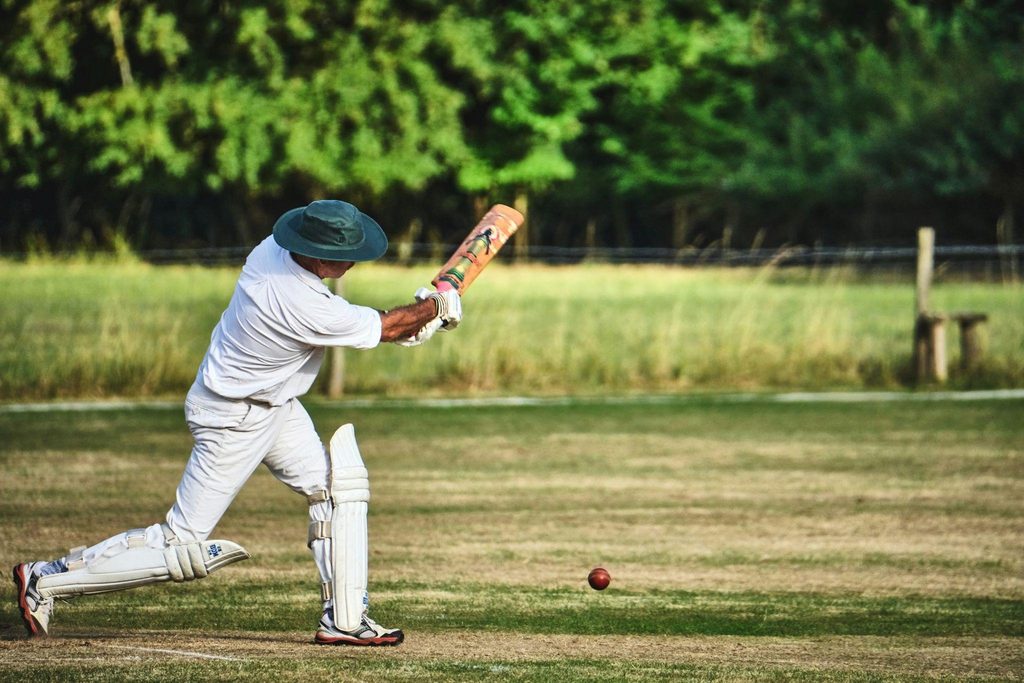
When academies in Mumbai, Bengaluru and Indore assess a 17-year-old, the following criteria tend to point them toward one grind or the other for the next two seasons:
- Concentration ceiling across a full day rather than a single spell.
- Baseline technique against the moving ball at 130 plus kmph.
- Range of scoring shots already available under match pressure.
- Recovery pattern between innings and between weeks.
- Temperament when the scoreboard is not moving.
A player who scores well on the first two but struggles on range gets a red ball diet first, with white ball exposure added later. A player who lights up on range and tempo but fades on concentration goes the other way. Neither route is a demotion, and treating them as such is where a lot of talent gets wasted in Indian domestic pipelines.